


EPR Compliance for FMCG Companies in India
- Sanjana Singhania
- May 8
- 4 min read

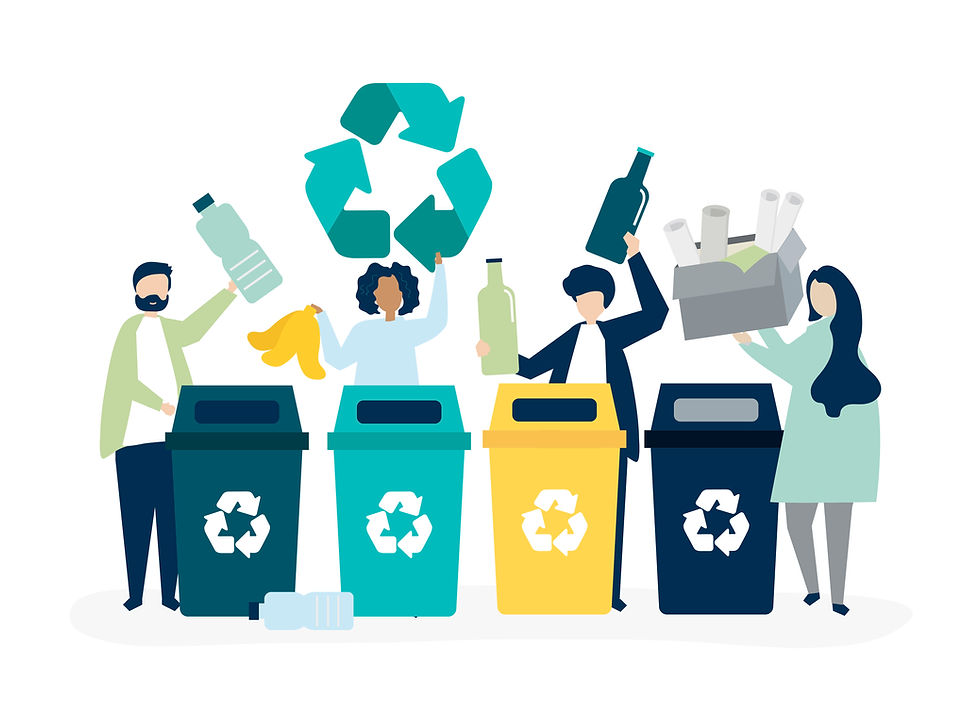
Fast-Moving Consumer Goods (FMCG) companies in India generate a massive amount of plastic packaging waste every year. From food wrappers and shampoo bottles to detergent containers and personal care packaging, the FMCG sector contributes significantly to post-consumer waste. To manage this waste effectively, the Government of India has made EPR Compliance mandatory for businesses dealing with plastic packaging.
For FMCG brands, understanding and complying with Extended Producer Responsibility (EPR) regulations is essential to avoid legal penalties and maintain sustainable business operations. This article explains everything about EPR compliance for FMCG companies in India, including its importance, registration process, obligations, and benefits.
What is EPR Compliance?
Extended Producer Responsibility (EPR) is an environmental policy under which producers, importers, and brand owners are responsible for managing the waste generated from their products after consumption.
In India, EPR regulations are governed by the Plastic Waste Management Rules, introduced by the Ministry of Environment, Forest and Climate Change (MoEFCC). Businesses involved in manufacturing, importing, or selling products with plastic packaging must obtain an EPR Registration and fulfill waste collection and recycling targets.
Why is EPR Important for FMCG Companies?
FMCG companies use large quantities of plastic packaging for product safety, branding, and transportation. Since this packaging often becomes waste after use, the government requires companies to ensure proper waste management and recycling.
Key Reasons Why EPR Compliance Matters
Reduces environmental pollution
Promotes plastic recycling and reuse
Improves brand reputation
Helps businesses avoid legal penalties
Encourages sustainable packaging practices
Supports India’s circular economy goals
Who Needs EPR Registration in the FMCG Sector?
The following entities in the FMCG industry generally require EPR Registration:
Producers
Companies manufacturing plastic packaging materials.
Importers
Businesses importing plastic-packaged products into India.
Brand Owners
FMCG brands selling packaged products under their own brand name.
Online FMCG Sellers
E-commerce businesses selling packaged FMCG products may also require compliance depending on their operations.
Types of Plastic Packaging Covered Under EPR
FMCG companies must comply with EPR obligations for different categories of plastic packaging.
Category I – Rigid Plastic Packaging
Includes bottles, containers, and rigid boxes.
Category II – Flexible Plastic Packaging
Includes plastic wrappers, pouches, and carry bags.
Category III – Multi-layered Plastic Packaging
Packaging with multiple layers of plastic and other materials.
Category IV – Compostable Plastic Packaging
Environment-friendly compostable plastic materials.
Documents Required for EPR Registration
To obtain an EPR Certificate, FMCG companies generally need the following documents:
Business Registration Documents
GST Certificate
PAN Card
CIN Number
IEC Code (for importers)
Packaging Details
Types of plastic packaging used
Quantity of packaging material
Product details
Authorized Signatory Documents
Aadhaar Card
PAN Card
Email ID and mobile number
Additional Documents
Waste management agreements
Factory license (if applicable)
Step-by-Step Process of EPR Registration for FMCG Companies
Step 1: Assessment of Plastic Waste
The company evaluates the quantity and category of plastic packaging introduced into the market.
Step 2: Documentation Preparation
All required legal and business documents are prepared for submission.
Step 3: Online Application Submission
The application for EPR Registration is filed on the Central Pollution Control Board (CPCB) portal.
Step 4: Review by Authorities
The CPCB reviews the application and verifies the submitted details.
Step 5: Issuance of EPR Certificate
After successful verification, the company receives its EPR Certificate.
EPR Targets for FMCG Companies
Under EPR rules, FMCG companies must fulfill annual recycling and waste management targets based on the amount of plastic packaging they introduce into the market.
Obligations Include
Collection of plastic waste
Recycling and processing
Use of recycled plastic content
Proper record maintenance
Filing annual returns
Penalties for Non-Compliance
Failure to comply with EPR regulations may lead to serious consequences for FMCG businesses.
Possible Penalties
Heavy environmental compensation charges
Suspension of business operations
Cancellation of licenses
Legal action from pollution control authorities
Benefits of EPR Compliance for FMCG Brands
Improved Brand Reputation
Consumers increasingly prefer environmentally responsible brands.
Better Regulatory Compliance
Avoid penalties and legal complications.
Sustainable Business Growth
Eco-friendly practices improve long-term business sustainability.
Increased Consumer Trust
Responsible waste management builds customer confidence.
Challenges Faced by FMCG Companies in EPR
Compliance
Many FMCG businesses face operational and regulatory challenges during EPR implementation.
Common Challenges
Tracking plastic waste generation
Managing recycling partnerships
Complex documentation
Meeting annual recycling targets
Understanding changing government regulations
How Registrationwala Helps FMCG Companies
Registrationwala provides professional assistance for EPR Registration and EPR compliance services across India.
Services Offered by Registrationwala
Documentation support
Application filing
CPCB compliance assistance
EPR target management
Expert consultation
End-to-end registration support
With expert guidance from Registrationwala, FMCG companies can simplify the process of obtaining their EPR Certificate and stay compliant with environmental regulations.
Conclusion
EPR compliance has become a critical requirement for FMCG companies in India. Businesses dealing with plastic packaging must obtain proper EPR Registration, manage plastic waste responsibly, and meet recycling obligations under government rules.
Apart from legal compliance, EPR also helps FMCG brands improve sustainability, strengthen customer trust, and contribute to environmental protection. Partnering with experts like Registrationwala can make the entire EPR process smooth, efficient, and hassle-free for businesses operating in the FMCG sector.
Related Post:


Comments